The following is the second of a two-part series. The first can be found here. The article originally appeared in The Journal for Cultural and Religious Theory 22:1. New Colonial Influence A

CRITICAL THEORY | SOCIAL ANALYSIS | POLITICAL PHILOSOPHY AND THEOLOGY
The following is the second of a two-part series. The first can be found here. The article originally appeared in The Journal for Cultural and Religious Theory 22:1. New Colonial Influence A
The following is the first of a two-part series. The article originally appeared in The Journal for Cultural and Religious Theory 22:1. Introduction As the world becomes increasingly globalized the colonizing influence

The following is the last of a four-part series. The first can be found here, the second here, the third here. This brief, but complex, reading of American Indian history under colonialist attack
The following is the third of a four-part series. The first can be found here, the second here. While judaeo-christian contexts are perhaps rightfully suspicious of “idolatry” here, the superimposing
The following is the first of a three-part series. The entire article appears in the fall 2022 issue of The New Polis Journal. “…a great many of the inhabitants of

The following was given as a presentation at the international conference “Decoloniality And Disintegration Of Western Cognitive Empire – Rethinking Sovereignty And Territoriality In The 21st Century” in April 2021.

Colonization and the effects of colonization continue today. And whether colonizing countries are physically still occupying their colony or emancipation/independence has occurred, the consequences of colonization remain littered about the
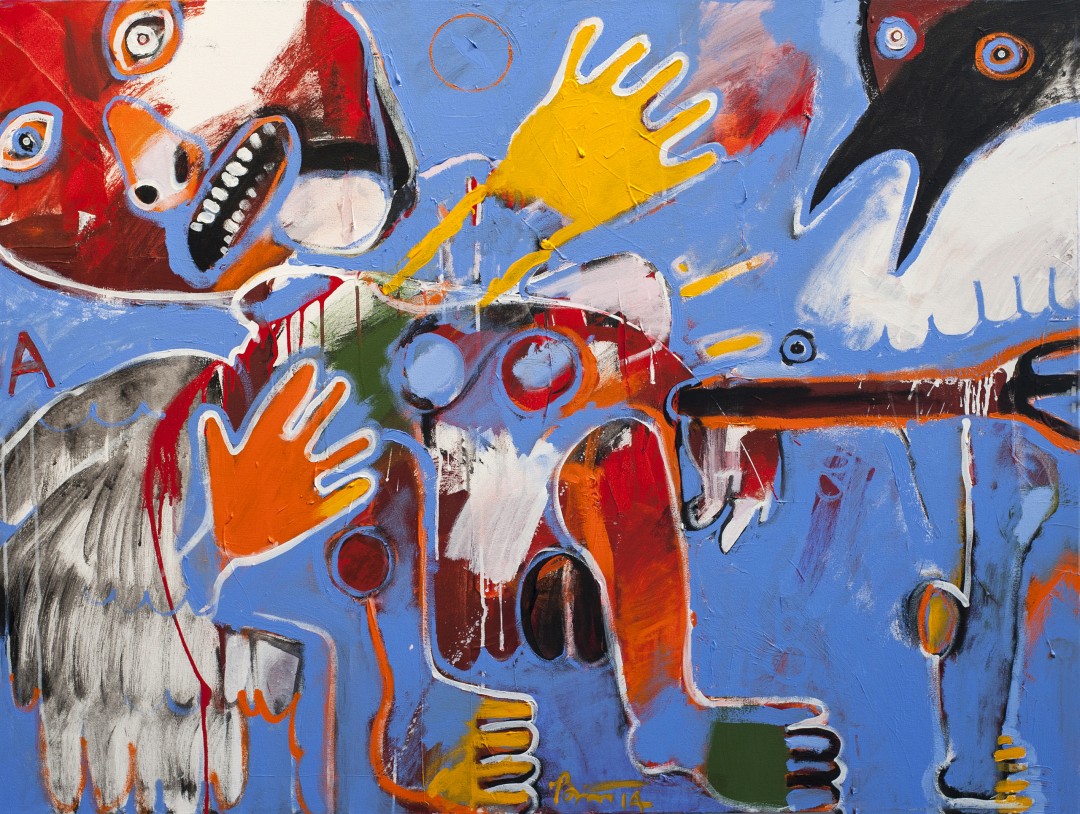
In many cases, by documenting the way settler colonial power ascends to unquestioned normalcy and recirculates as natural and given, the decolonizing project becomes one of suggesting counter realities or

Ian F. Haney López is the Chief Justice Earl Warren Professor of Public Law at the University of California, Berkeley. He is the author of a number of influential books

We have all built up walls, established boundaries, “Do Not Merge” lanes, rules and regulations that we set our lives up according to. We do this because the aspects of